Effective Care and Use of Vaccine Refrigerators
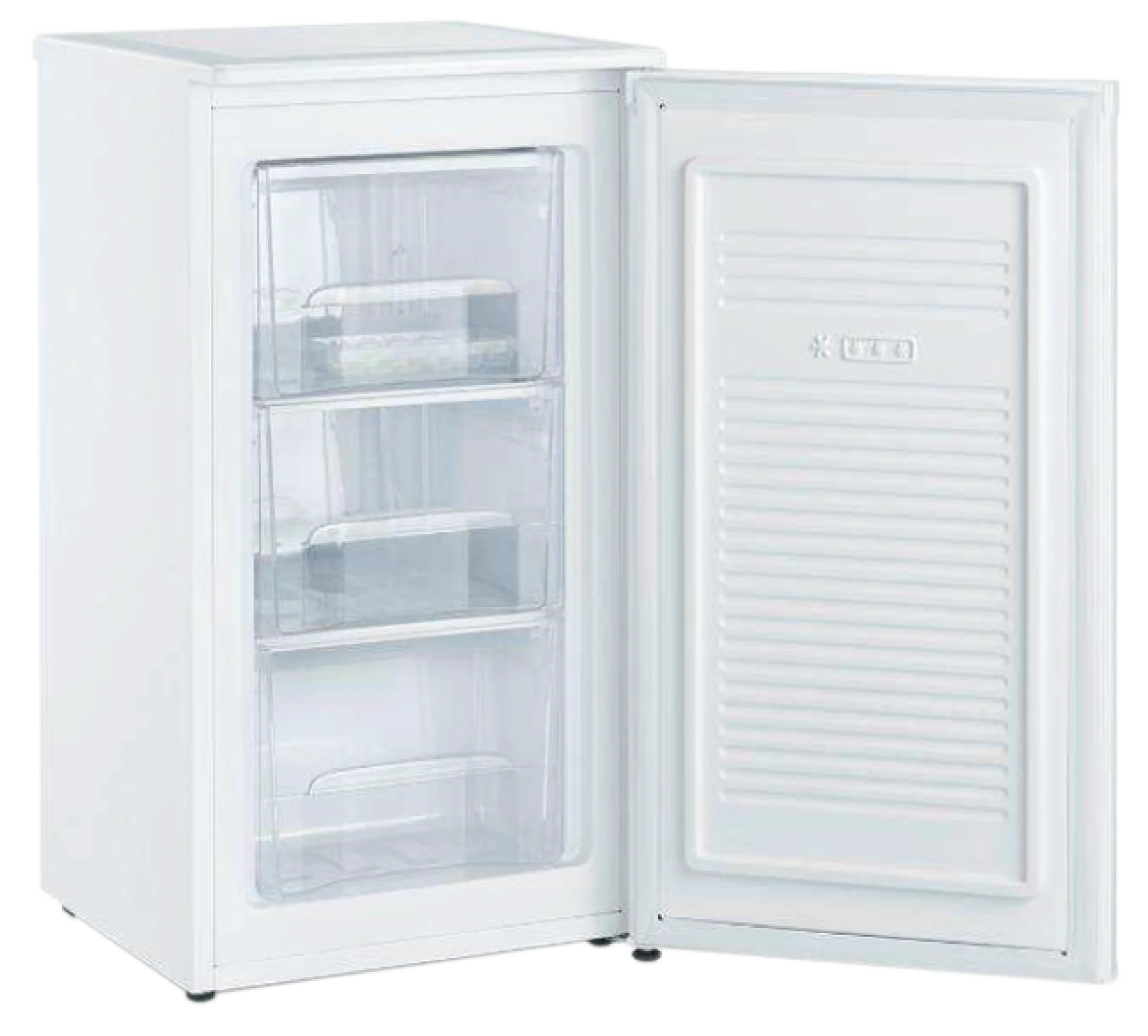
Effective Care and Use of Vaccine Refrigerators
When storing vaccines or medications that require strict temperature control, a refrigerator with an efficient and standardized control system is essential. This article explains how to select and maintain a vaccine refrigerator to ensure vaccines are kept in optimal condition.
Key Features of a Vaccine Refrigerator
1. Microprocessor Temperature Control
A vaccine refrigerator should have a temperature control system capable of maintaining the range of 2°C to 8°C — the optimal range for preserving vaccine quality — along with a display screen showing the current temperature for accurate monitoring.
2. Temperature Alarm System
The refrigerator should have an alarm that activates when the internal temperature falls outside the set range, alerting users to take immediate corrective action and preventing vaccine damage from inappropriate temperatures.
3. Avoid Refrigerators with a Combined Freezer Compartment
A freezer compartment within the same unit may cause excessive temperature fluctuations, putting vaccines at risk of freezing — which will degrade vaccine quality.
4. Cold Air Distribution System
The refrigerator should have a fan or cold air circulation system that distributes cooling evenly throughout, keeping the temperature consistently within 2°C to 8°C in every section of the unit.
Maintenance of the Vaccine Refrigerator
To ensure long-term, reliable performance, the following maintenance practices should be followed:
1. Calibration and Verification
Regularly calibrating temperature measurement instruments such as Data Loggers or digital thermometers ensures that the displayed temperature is accurate. Calibration results are expressed as Error or Correction values to assess instrument precision.
2. Temperature Mapping
Verifying that the temperature across every shelf of the refrigerator remains within the specified range is a critical step in maintaining vaccine quality. Thermal Mapping identifies hot or cold spots and enables prompt corrective action.
3. Maintaining the Cold Air Distribution System
Ensure that the fan or cold air circulation system is functioning properly at all times to maintain a consistently stable internal temperature.
Conclusion
Selecting and maintaining a vaccine refrigerator requires careful attention to temperature control, instrument calibration, and regular system maintenance — ensuring vaccines are always stored in optimal conditions. Following these steps not only preserves vaccine quality but also significantly reduces the risk of damage from temperature excursions.