Are All Vein Finders the Same? How to Choose One for Real Hospital Use
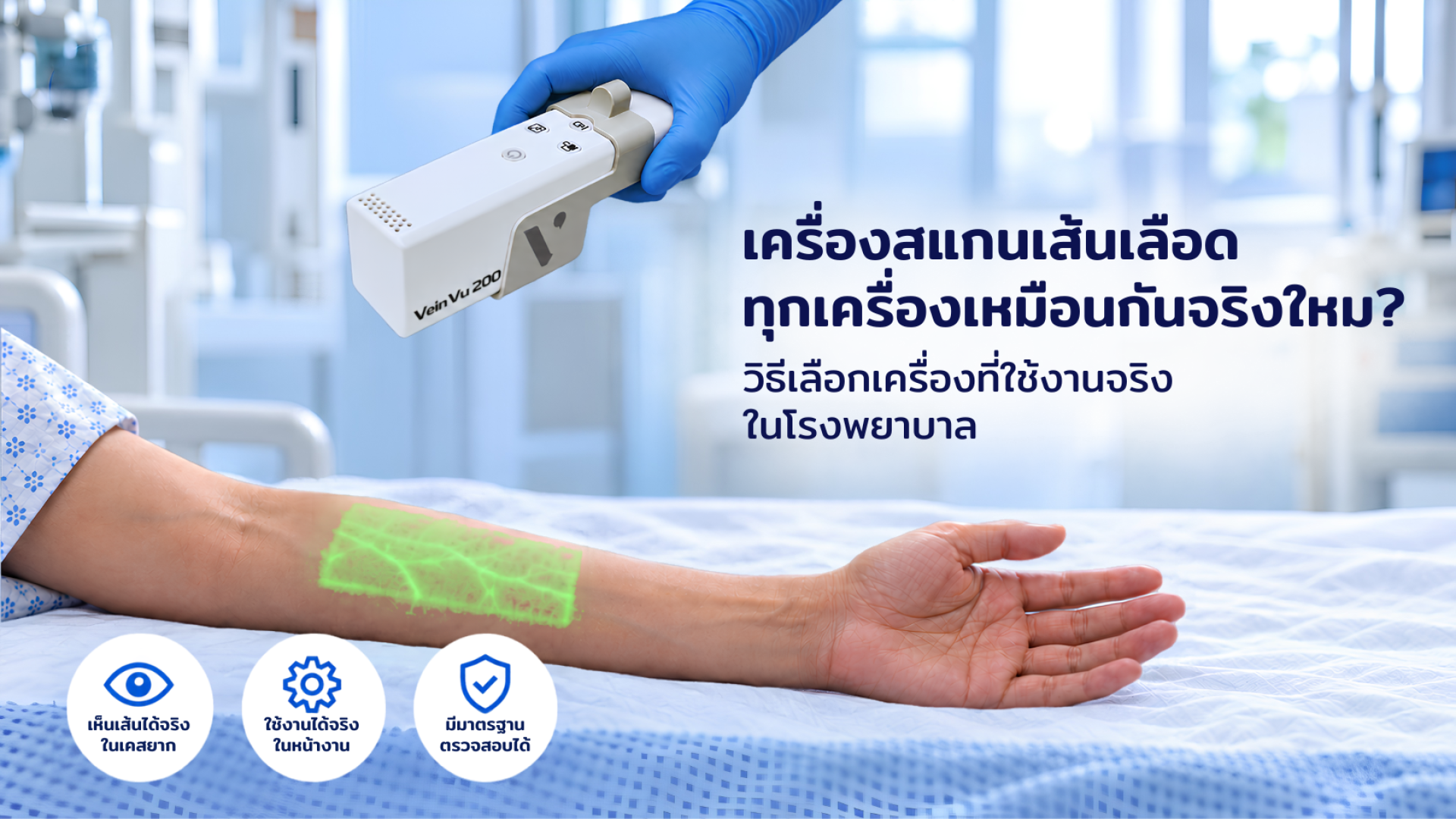
The difference between vein finder prices is more than a number. What matters is how much the device actually helps nursing teams in everyday use.
Not All Vein Finders Are the Same
Vein finders are available at many price points, from budget models to hospital-grade devices. Their performance in real-world use may differ significantly, especially for patients with small, deep, hard-to-see, or difficult-to-palpate veins.
Healthcare organizations should assess more than whether a device displays a vein image. Can it genuinely help nurses assess the insertion site? Is the image stable? How well does it work in difficult cases?
Why Low-Cost Devices Sometimes Go Unused
Some organizations find that a purchased device does not meet clinical needs: visualization may be unclear for certain patients, positioning may take too long, or nursing staff may lack confidence using it in actual cases.
When a device is not used, an attractive purchase price may translate into hidden operational costs in staff time, supplies, and workload pressure.
VeinVu 200: Positioned for Practical Clinical Use
VeinVu 200 is a near-infrared vein visualization device designed to help nursing teams view subcutaneous vein patterns in real time before IV cannulation, blood draws, or establishing intravenous access.
Highlighted features include NIR technology at 850 nm, real-time vein mapping, six display modes, three image sizes, HD mode, portable design, and documentation associated in the source with US FDA, KFDA, and Thai FDA.
Takeaway for Purchasing Decision-Makers
A suitable vein finder should deliver three things: clear vein visualization, practical usability, and verifiable documentation. Before purchase, let the nursing team trial the device in representative cases and assess whether it improves confidence in selecting an insertion site.
Schedule a VeinVu 200 trial with ZEST-MED so end users can assess clarity, ease of use, and suitability before procurement.