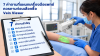
What Should Hospitals Check Before Buying a Vein Finder?
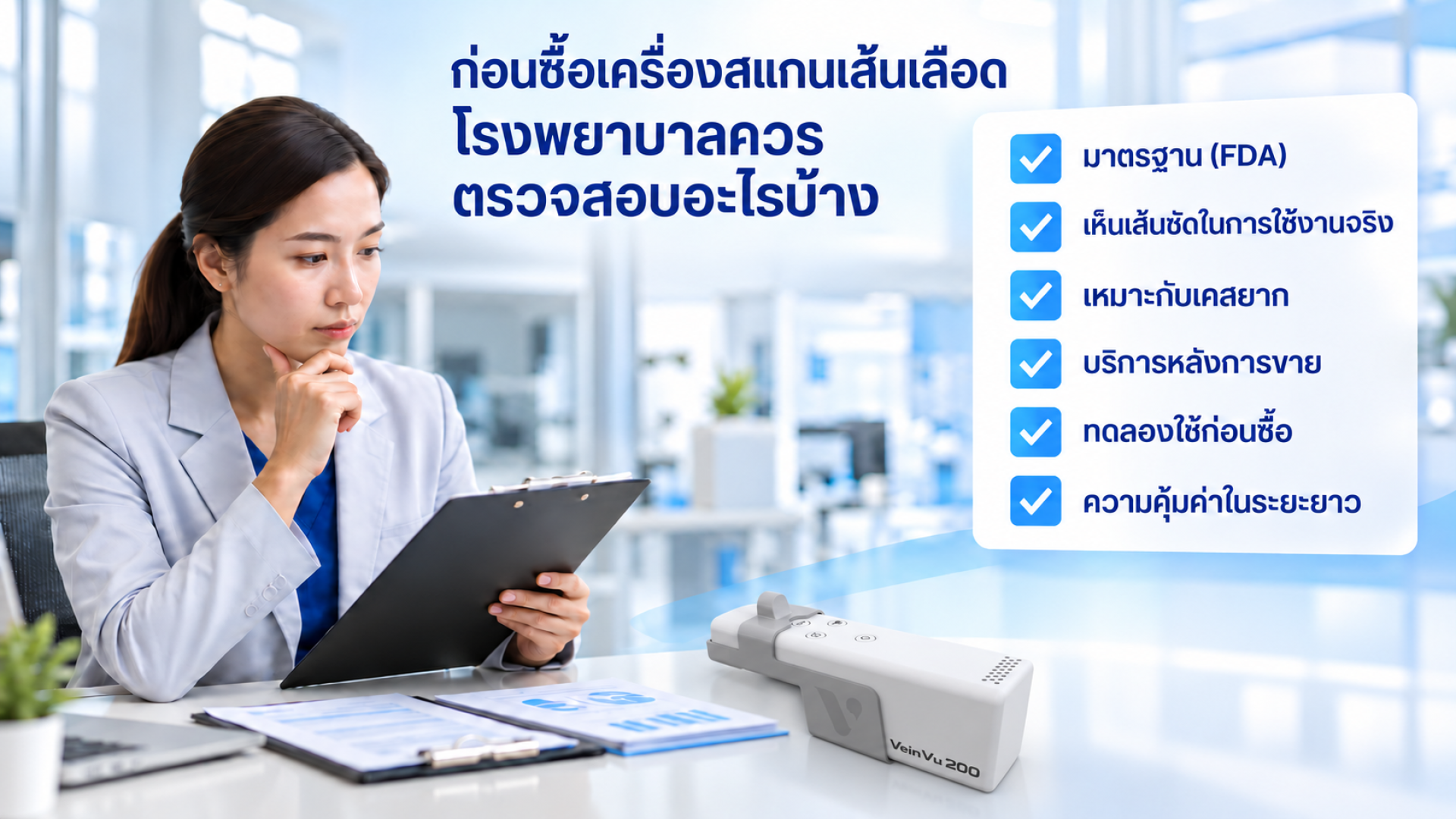
| Medical devices used on patients should never be chosen on price alone. Hospitals need clear evaluation criteria before they buy. |
1. Can you see the veins clearly in real-world use?
Brochure images may look impressive, but clinical performance matters more, especially in pediatric, older, obese or edematous, and chemotherapy patients. Ask nurses to trial whether the projected vein pattern is sufficiently clear to support insertion-site selection.
2. How well does it handle difficult venous access?
Hospitals need more than a device for easy cases. They need support when veins are difficult to see or palpate or when patients have experienced multiple attempts.
VeinVu 200 highlights real-time vein mapping, NIR 850 nm, six display modes, and three image sizes for different skin conditions and clinical situations.
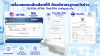
3. Are its certificatios verifiable
Biomedical engineering teams should examine relevant documentation before purchase, including the US FDA, KFDA, and Thai FDA references and technical documents cited in the source.
Documentation provides evidence for procurement decisions and internal review; it is not simply a marketing feature.
4. Are trials, training and after-sales service available
A good medical device should come with reliable after-sales support, because effective real-world use requires proper operating guidance, user training, and assistance with troubleshooting during the initial stages of implementation.
Scheduling a trial before purchase helps reduce procurement risks and allows frontline users to actively participate in the purchasing decision.
|
Request the VeinVu 200 evaluation checklist and schedule a trial with your nursing team before you purchase. |