Share

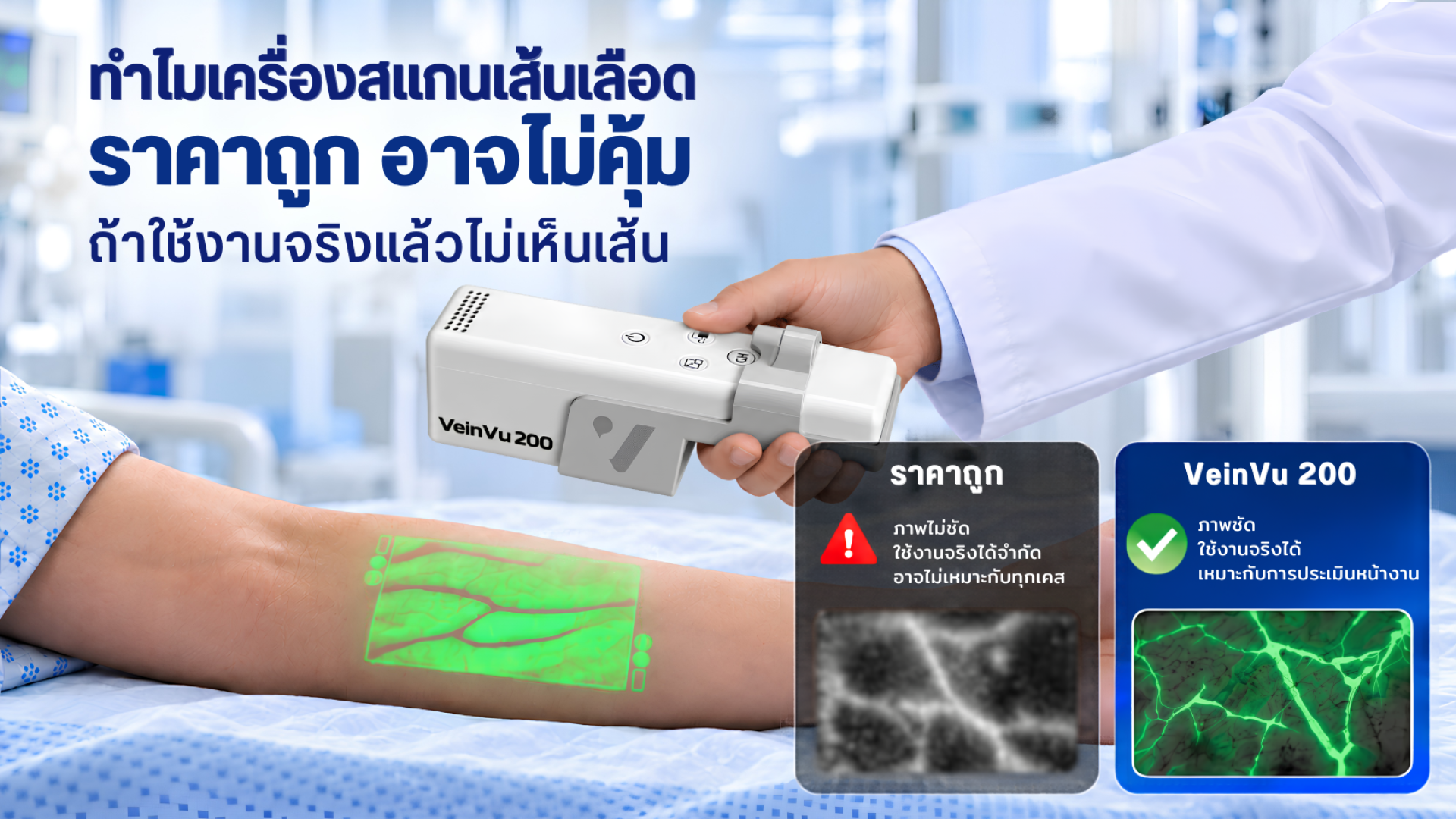
Why a Cheap Vein Finder May Cost More If It Cannot Visualize Veins in Practice
Last updated: 22 Oct 2026
53 Views
The purchase price is a one-time cost. A device that never gets used can create hidden costs every day.


Cheap to Buy, Potentially Costly to Use

   A low-priced vein finder may look attractive in a procurement comparison. But if its images are unclear in real cases, or nurses lack confidence using it, it may do little to address repeated needle attempts.
  Potential hidden costs include lost staff time, additional consumables, patient discomfort, family anxiety, and increased pressure on nursing teams.
 

Value Should Be Measured at the Point of Care

  For hospitals, value is not simply the lowest price. It is whether a device supports better workflows. If it makes vein patterns easier to see before insertion, improves user confidence, and is regularly used for challenging cases, that value extends beyond the initial purchase price.

What to Evaluate Beyond Price


  Compare image clarity, display stability, suitability across patient groups, regulatory documentation, and after-sales support.

  VeinVu 200 features highlighted in the source include NIR 850 nm, real-time vein mapping, six display modes, three image sizes, HD mode, portable design, and US FDA, KFDA, and Thai FDA documentation references.


Conclusion

Budget devices may suit certain settings. For facilities managing difficult venous access, however, real-world performance and verifiable documentation should guide the decision. A hands-on trial is the clearest way to assess the difference.


Do not decide on price alone. Schedule a VeinVu 200 trial so nurses can evaluate it in real cases.


Related Content
Are All Vein Finders the Same? How to Choose One for Real Hospital Use
Vein finders vary in features, technology, and real-world performance. Choosing the right vein finder should not be based on price alone. Healthcare facilities should also consider image clarity, real-time vein visualization, ease of use, and device certifications, especially when working with patients who have small, deep, or difficult-to-locate veins. This article explores the key differences between vein finders, the potential challenges of choosing an unsuitable device, and the important factors healthcare professionals should evaluate before purchasing. It also introduces the **VeinVu 200**, a Near-Infrared (NIR) vein visualization device designed to help healthcare professionals identify vein patterns before IV insertion, blood collection, and intravenous therapy. Discover how to select a vein finder that meets the practical needs of hospitals and healthcare teams, with a focus on usability, reliable performance, and verifiable medical device certifications.
16 Oct 2026
What Standards Should a Good Vein Finder Meet? Why US FDA, KFDA, and Thai FDA Matter
Regulatory documentation plays an important role in hospital medical device procurement. Learn why reviewing and verifying relevant US FDA, KFDA, and Thai FDA documentation matters when evaluating vein finders and making informed purchasing decisions.
22 Oct 2026
เว็บไซต์นี้มีการใช้งานคุกกี้ เพื่อเพิ่มประสิทธิภาพและประสบการณ์ที่ดีในการใช้งานเว็บไซต์ของท่าน ท่านสามารถอ่านรายละเอียดเพิ่มเติมได้ที่ Privacy Policy and Cookies Policy
Powered By MakeWebEasy Logo MakeWebEasy